
Mutton Biryani vs Beef Biryani
Mutton Biryani vs Beef Biryani and Chicken biryani may be the everyday favourite, but for many Pakistani families, a red-meat biryani is the real treat. The question is which one: mutton or beef? Both are rich, both are deeply spiced, and both have loyal fans who will argue for hours about which is better. This guide compares mutton biryani and beef biryani side by side so you can decide which one suits your table, your taste and your occasion.
The Red-Meat Biryani Debate
In Pakistan, the choice between mutton and Beef Biryani often depends on where you grew up and what your family cooked. In Karachi, beef biryani is hugely popular and is a Friday tradition in many homes. In Punjab and among many families across the country, mutton biryani is seen as the special-occasion choice, served at weddings and Eid gatherings.
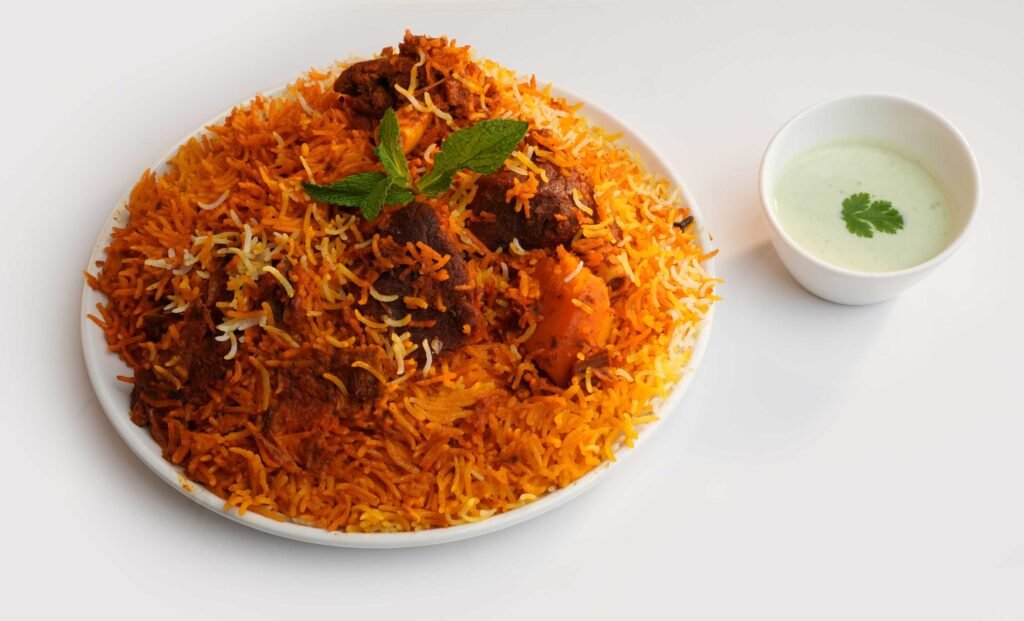
Both use the same basic method as any Pakistani biryani: a spiced meat masala layered with fragrant basmati rice and cooked on dum. The difference is in the meat, and that difference changes the flavour, texture and character of the whole dish.
Mutton Biryani: Flavour, Cut and Cooking Time
In Pakistan and the UAE, mutton usually means goat meat, although some kitchens use lamb. Goat meat is lean but full of flavour, with a slightly gamey richness that many biryani lovers adore.
Mutton biryani is usually made with bone-in pieces from the shoulder or leg. The bones add flavour to the masala, and the fat melts into the rice during dum, giving it a rich, silky taste. The meat is marinated in yoghurt and spices, then cooked slowly in a masala of onions, tomatoes, ginger, garlic and whole spices until tender.
Because mutton needs longer cooking than chicken, mutton biryani takes more time to prepare. When it is done well, the meat is soft enough to pull off the bone with a spoon, and the rice carries a deep, aromatic flavour. It is a luxurious dish, and it feels like a celebration.
Beef Biryani: Why It’s a Friday Tradition
Mutton Biryani vs Beef Biryani is especially loved in Karachi, where it has a long history as a hearty, affordable feast. In many Karachi homes, Friday lunch after the Jummah prayer means a big pot of beef biryani shared with the whole family.
Beef biryani uses boneless or bone-in beef, often from cuts that become tender with long cooking. The beef is cooked in a bold, spicy masala until it is very soft, then layered with rice. The flavour is strong and robust, with plenty of chilli, tomato and whole spices. Karachi-style beef biryani usually includes potatoes and dried plums, just like chicken biryani.
Beef biryani tends to be heartier and more filling than mutton biryani, with a more intense masala.
Taste, Texture and Price Compared
Here is how the two compare:
- Flavour: mutton is aromatic and slightly gamey; beef is bold, meaty and robust.
- Texture: mutton is soft and silky around the bone; beef is dense and tender, often in larger pieces.
- Richness: mutton biryani has richer rice because of the fat from the bones; beef biryani has a heavier, spicier masala.
- Cooking time: both take longer than chicken; mutton needs careful slow cooking to stay tender.
- Price: mutton is usually the more expensive meat, so mutton biryani often costs more than beef or chicken.
- Occasion: mutton biryani suits weddings, Eid and special gatherings; beef biryani is a classic Friday family meal.
Neither is better. It depends on whether you want luxurious and aromatic, or bold and hearty.
Portions: Single Plate vs 1kg
When ordering red-meat biryani, portion size matters, especially for families.
A single plate is enough for one hungry adult and is ideal for lunch. A 1kg portion typically serves three to four people and is the most popular choice for families and small gatherings. It is also better value per person than ordering several single plates.
For bigger groups, combine a 1kg mutton or beef biryani with a 1kg chicken biryani. That gives everyone a choice and suits guests who prefer lighter meat.
At Desi Downtown, mutton biryani is available online, including larger portions for sharing, and our beef biryani is a Friday special. Check our online menu for current sizes and prices.
Chicken Biryani for Mixed Groups
If your group includes children, older guests or people who do not eat red meat, chicken biryani is the safest main choice. It is lighter, cooks faster and suits almost everyone. Many families order chicken biryani as the main dish and add one mutton or beef biryani for the red-meat lovers at the table.
Sides That Go With Red-Meat Biryani
Rich biryanis need fresh, cooling sides to balance them. The classics are:
- Raita, especially mint or cucumber raita.
- Kachumber salad of onion, tomato and cucumber with lemon.
- Shami kabab, a traditional side at Pakistani biryani meals.
- A cold drink or lassi to cool the palate.
- Kheer or zarda for dessert.
Order Mutton or Beef Biryani in Abu Dhabi
Whether you are planning a family Friday lunch or a weekend feast, Desi Downtown on Al Falah Street has the biryani for you. Visit us in Al Danah near Jawazat, reserve a table on our website, or order online for pickup and delivery across Abu Dhabi. Call +971 54 990 8494 to order mutton biryani or to check this Friday’s beef biryani.
Frequently Asked Questions
Is beef biryani available every day?
At Desi Downtown, beef biryani is a Friday special, in keeping with the Karachi tradition. Check our online menu or call us to confirm availability.
Is mutton biryani goat or lamb?
In Pakistan and the UAE, mutton usually means goat meat. Some restaurants use lamb. Ask our team if you would like to know which meat is used.
How many people does 1kg biryani serve?
A 1kg biryani typically serves three to four people as a main dish, depending on appetite and what else is on the table.
Which is spicier, mutton or beef biryani?
Karachi-style beef biryani is often spicier and bolder. Mutton biryani tends to be more aromatic. Both can be made milder on request.
Leave a Reply