
What Is Nihari
What Is Nihari? History, Cuts and How to Eat It
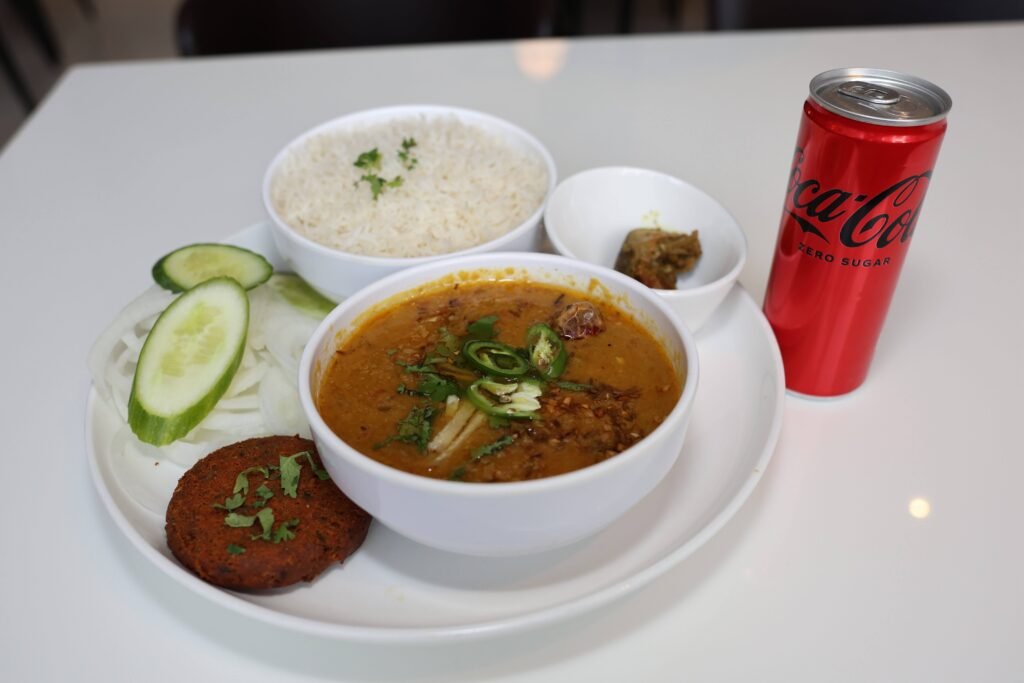
Nihari is one of the great dishes of Pakistani cooking. It is a deep, slow-cooked stew of beef or mutton in a rich, spiced gravy, with a glossy layer of oil on top and meat so tender it falls apart with a touch of naan. In Karachi and Lahore, people queue before sunrise at famous nihari houses. In Abu Dhabi, nihari is a weekend ritual for many Pakistani families. If you have seen it on a menu and wondered what it is, this guide explains the history of nihari, the cuts that make it special, and exactly how to eat it.
The Dish Named After Morning
The name nihari comes from the Arabic word nahar, meaning day or morning. Nihari was originally a breakfast dish. The story most often told is that it was created in the royal kitchens of Mughal Delhi in the 18th century. The stew was cooked slowly overnight in large pots and served at dawn, after the morning prayer, to nobles and later to labourers who needed a filling meal before a long day of work.
After the partition of 1947, many cooks from Delhi moved to Karachi, and nihari came with them. Karachi became the nihari capital of Pakistan, and the dish spread across the country. Today it is eaten at breakfast, lunch and dinner, but it still carries the spirit of an early-morning meal that keeps you going for hours.
The Cut Matters: Shank, Nalli and Bone Marrow
Nihari is all about slow cooking tough, flavourful cuts of meat until they become soft and silky. The most common cut is beef shank, the lower part of the leg. Shank contains a lot of connective tissue. When it is cooked slowly for hours, that tissue melts into gelatine, which gives nihari its thick, velvety gravy.
Many nihari lovers also look for nalli, the marrow bone. Nalli nihari includes pieces of bone with the marrow still inside. The soft, rich marrow is scooped out and eaten with naan, and many consider it the best part of the dish. Some restaurants also serve nihari with brain (maghaz) on top, a traditional addition in parts of Pakistan.
Beef nihari is the most popular in Karachi. Mutton nihari is also common and is slightly lighter and more delicate. Chicken nihari exists too, but most purists consider beef or mutton the real thing.
Nihari Masala and the Overnight Cook
The flavour of nihari comes from a special spice blend, known simply as nihari masala. It usually includes fennel, dried ginger, black cardamom, green cardamom, cloves, cinnamon, bay leaf, long pepper, nutmeg, mace and red chilli. Fennel and dried ginger give nihari its distinctive warm, slightly sweet aroma.
The meat is browned in oil or ghee with onions, then the spices are added along with water, and the pot is left to simmer on a very low flame for many hours. Traditionally, nihari was cooked overnight. Towards the end, wheat flour mixed with water is stirred in to thicken the gravy into its signature silky texture.
Finally, a layer of spiced oil rises to the top. In Karachi this is called taar, and a good nihari is judged partly by it. Some people like extra taar, others prefer less. It is all part of the experience.
How to Eat Nihari
Nihari is always served with toppings, and adding them is part of the fun. The classic garnishes are:
- Fresh ginger cut into thin strips.
- Sliced green chillies.
- Chopped fresh coriander.
- A generous squeeze of lemon.
- Crispy fried onions.
- A pinch of garam masala, for those who like extra warmth.
The traditional bread is a plain or khameeri naan, fresh from the tandoor. Tear off a piece, use it to pick up a bit of meat and gravy, and add a little ginger and chilli with each bite. The lemon cuts through the richness, and the ginger keeps the dish feeling fresh.
If you order nalli nihari, use a small spoon or the back of your naan to get the marrow out of the bone. Spread it on the naan and eat it straight away.
Beef vs Mutton Nihari
Beef nihari is the classic Karachi-style choice. It is bold, deeply spiced and very rich, with plenty of gelatine from the shank. It is the one most people picture when they think of nihari.
Mutton nihari is a little lighter, with a softer, more delicate meat flavour. It is popular in parts of Punjab and with people who prefer mutton to beef.
Both are cooked the same way, and both are best eaten fresh and hot with naan.
Tips for Your First Nihari
If you are new to nihari, a few tips will help you enjoy it properly.
Start with a single portion and extra naan. Nihari is very rich, and one bowl goes a long way. Add toppings a little at a time: taste first, then add ginger, lemon and chilli until the balance feels right. Ask for less taar if you prefer a lighter bowl, or extra taar if you want the full Karachi experience.
Nihari also reheats well. If you order for home, warm it slowly on the stove with a splash of water, and add fresh ginger and lemon just before eating. Many people say nihari tastes even better the next morning, once the spices have had time to settle.
Frequently Asked Questions
Is nihari a breakfast or dinner food?
It started as a breakfast dish, and in Pakistan it is still very popular in the morning, especially on weekends. Today it is eaten at any time of day, including lunch and dinner.
Beef or mutton nihari: which is better?
It is a matter of taste. Beef nihari is richer and more traditional in Karachi. Mutton nihari is lighter and more delicate. If it is your first time, try beef nihari.
What bread goes with nihari?
Plain or khameeri naan from a tandoor is the classic choice. Its soft, slightly chewy texture is perfect for scooping up the thick gravy.
Is nihari very spicy?
Nihari is well spiced and warming, but it is more aromatic than fiery. Green chillies are served on the side so you can add as much heat as you like.
Enjoy Nihari at Desi Downtown, Abu Dhabi
At Desi Downtown on Al Falah Street, beef nihari is one of our most-searched dishes, and it has become a favourite for weekend breakfast. On Saturdays and Sundays we open from 9 am, so you can start the day the Pakistani way with nihari, fresh naan and a cup of doodh patti chai. Visit us in Al Danah near Jawazat, or order online for pickup and delivery to Al Zahiyah, Al Khalidiyah, Tourist Club and beyond. Call +971 54 990 8494.
Leave a Reply